Recomend this page
Thank you, we sent your recommendation to the desired recipient.
Sorry, this functionality is not available right now.
Please try with this link. Thank you.


Looking after ourselves isn't a "nice to have" - it's essential. Well‑being means feeling supported in mind, body, relationships and finances, so we can live well, work well and stay energised over time.
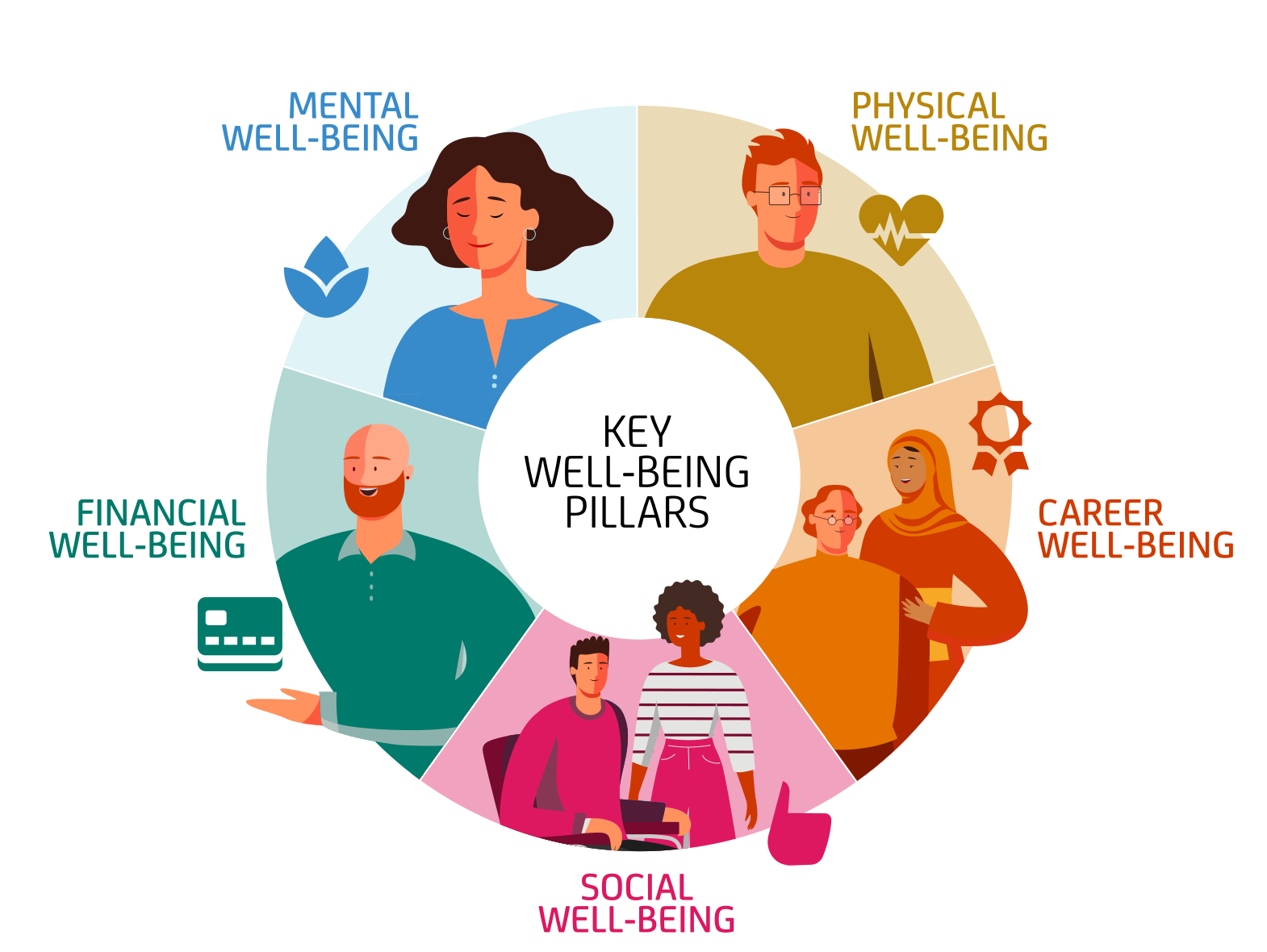
At UniCredit, we nurture a safe, supportive and respectful workplace where balance matters and people look out for one another. Our approach to well‑being recognises that different aspects of life and work are interconnected and influence how people feel, perform and develop over time. It focuses on five dimensions: mental, physical, career, social, and financial well-being, reflecting our Value of Caring in action for ourselves, our colleagues and the communities around us.
What this means for our people
UniCredit employees have the flexibility to organise work in ways that reflect real life - through flexible hours, remote options and paid leave for the moments that matter most. Different family models, caregiving needs, personal milestones and learning opportunities are recognised, supported by always‑on initiatives for mental health, fitness, nutrition, resilience and self‑awareness.
Make it Yours
Well‑being isn't something you wait for - it's something you actively navigate. Simple actions across each well‑being pillar can help you stay healthy, feel good and do your best work every day.
Navigate your Well-Being

Mental well-being encompasses the way we think and feel and our ability to cope with various ups and downs in life.
Some common signs and indicators that may suggest need to enhance mental well-being:
- Unusual absences and reduced productivity
- Low motivation or fatigue
- Skipping lunch regularly, not eating
- Persistent sad moods
Keep in mind that mental health diagnoses are made by
medical professionals - such as general practitioner or psychologist - based on an expert evaluation.
Here are a few tips to improve mental well-being

Share ups and downs with others

Practice coping skills during the workday

Nurture relationships

Physical well-being is the direct result of lifestyle choices and our behavior around sleep, diet, physical activity, hygiene, and relaxation that achieve or derail optimal functioning.
Some common signs and indicators that may suggest need to enhance physical well-being:
- Chronic fatigue
- Persistent pain
- Swelling
- Breathing difficulties
- Changes in skin or hair
- Changes in appetite
- Unexplained weight changes
By taking care of yourself, you are not only enhancing your performance and creativity, but also creating a more positive and vibrant work environment.
Here are a few tips to improve physical well-being

If possible, get up from desk throughout the day and stay energised
Use correct posture when working.
Keep computer monitor at eye level so your head doesn't tilt

Plan meals and balance your diet, avoid sweets and highly processed food

Career well-being encompasses employees' satisfaction with the work they do.
In recent years, employees are seeking companies and jobs that align with their personal values, give them a sense of fulfilment, and promotes the achievement of their goals.
Some common signs and indicators that may suggest need to enhance career well-being:
- Lack of motivation
- Conflict at work
- Reduced productivity
- Cynicism and negativity
- Feeling stuck
- Lack of engagement
- Loss of interest in personal development
Focus on career well-being enables personal growth, satisfaction and a sense of fulfilment.
You can increase your chances of growth, enhance your job performance, and create a positive work-life quality, leading to long-term success and overall well-being.
Here are a few tips to improve career well-being

Build relationships to gain exposure to new opportunities and broaden professional connections

Establish boundaries to maintain a healthy balance between work and personal life

Regularly request feedback from managers and peers to identify areas for improvement and growth

Social well-being is the ability to form and maintain healthy relationships with others, feel a sense of belonging and connection to a community, and have a positive impact on the world around us.
Some common signs and indicators that may suggest need to enhance social well-being:
- Lack of satisfaction
- Constant anxiety
- Loss of purpose
- Feeling stuck or unchallenged
- Isolation
- Lack of recognition and appreciation
- Conflict or toxic relation environment
Interactions and relationships with others help you develop healthy habits like setting boundaries that can reduce stressors in the first place.
Here are a few tips to improve social well-being

Take care of yourself while caring for others

Establish healthy habits for yourself and your beloved ones

Check volunteering opportunities and spend time supporting your communities

Financial well-being is about feeling secure and in control of your finances.
It refers to your ability to make the most of your money and finances on a day-to-day basis, while also being able to deal with unexpected costs, and being able to plan and save for a healthy financial future.
Some common signs and indicators that may suggest need to enhance financial well-being:
- High credit card debt
- No financial plan
- Decreased quality of life
- Lack of an emergency fund
- Neglecting bills and payments
- Frequent arguments about money
- Difficult saving and overuse of loans
Financial well-being is a state that is achieved and maintained when you know what you have, where you are headed (and take steps to get there) and you feel confident about it.
Here are a few tips to improve financial well-being

If possible, save a regular amount on a monthly basis according to your pay-check schedule
For different shopping needs check out the discounts available for our employees

Keep yourself informed on benefits and financial programs offered within your perimeter